

Step By Step Instructions For Installing a Water Softener Yourself
If your hair is feeling dry and lifeless or you’re starting to notice a scaly build-up on your kitchen and bathroom fixture, it may be time to invest in a water softener system.
A water softener system is a great way to improve the quality of your water and in many cases, can be installed without a plumber. However, even with the right tools and some plumbing savvy, the thought of installing a water softener system on your own can feel a bit daunting.
To help you navigate this process, we’ve developed our own step-by-step guide for installing a water softener system at your home. Keep reading to learn more!
What is a Water Softener System and Why Do I Need One?
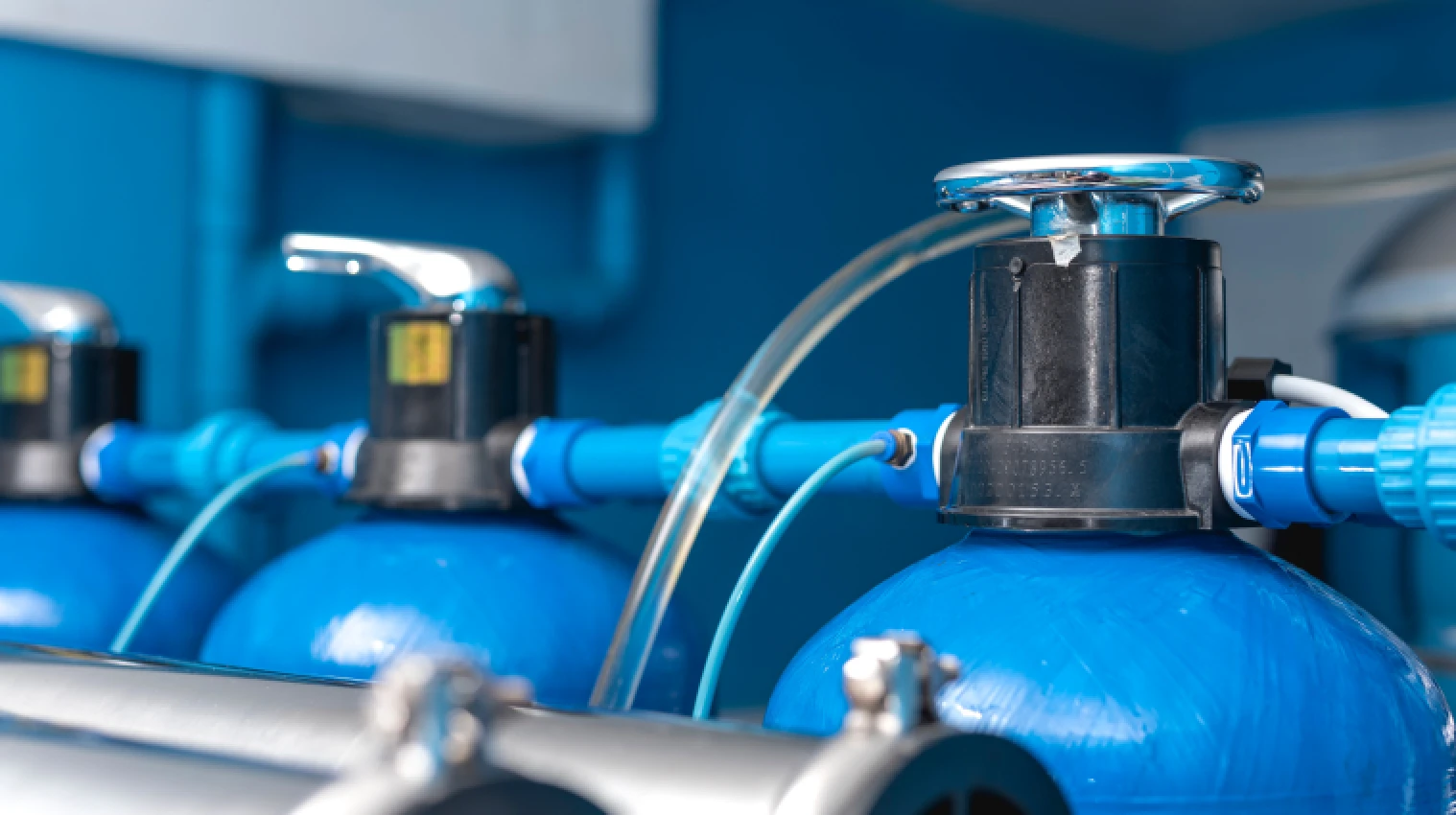
A water softener system is a piece of plumbing equipment installed in commercial and residential properties. This type of system is designed to remove hard minerals like calcium and magnesium ions from your water supply. By removing these hard minerals, the water becomes “softer.”
Now, you might be wondering, “What’s wrong with having hard water?” There are a few reasons why soft water is better for your home or business.
- Hard water can lead to plumbing issues like scale build-up on pipes, faucets, and other fixtures.
- It can cause build-up in your appliances and reduce their lifespan.
- Hard water can reduce the efficiency of your water heater, leading to higher energy bills.
- It can make your hair and skin feel dry and dull
Not every home or business has hard water, though, and only homes that experience this issue would need to consider a water softener system.
The Different Types of Water Softener Systems Available
If you feel confident that you have hard water in your home or business, you may want to look into purchasing and installing a water softener system. While there are numerous types of water softener systems that exist, the two most common ones are:
Salt-Based Ion Exchange Water Softeners
This type of softener system is the most widely used among homeowners and uses resin beads to remove the hard minerals and replace them with sodium or potassium ions. This system requires you to add water softener salt to the tank periodically.
Salt-Free Water Softener
Unlike salt-based softeners that add sodium to your water, this system alters the structure of the water to prevent scale build-up rather than removing the minerals altogether.
How to Install Your New Water Softener System
Installing a water softener system involves several steps and may vary depending on the specific system you have and the layout of your plumbing.
Here is a step-by-step guide to installing your new system. Please note that this is just a very basic, general overview of the process, and you will need to refer to your water softener’s manufacturer’s instructions before attempting a DIY installation.
- Find a place to install your new unit and choose a large, open area with access to a drain that’s close to the main water supply line.
- Cut the main water supply line where you want to install the water softener tank.
- Install a bypass valve assembly if your water softener doesn’t have one built-in. This allows you to isolate the softener for maintenance without shutting off water to the entire house.
- Use the proper connectors to connect the bypass valve to the inlet and outlet ports of the water softener tank before connecting the inlet, outlet, and bypass valves to the main water supply line. and ensure tight fittings.
- Attach the drain tubing from the water softener tank to a nearby drain or standpipe, making sure there is enough of an air gap to prevent backflow.
- Connect the flexible hoses from the bypass valve to the water softener’s inlet and outlet ports.
- After everything is connected, you’ll need to connect the tank to an electrical source by following the manufacturer’s instructions.
- Once the tank is up and running, turn the water supply back on and check to make sure there are no leaks.
- Then, program the water softener’s regeneration schedule and start the first regeneration cycle according to the manufacturer’s guidelines. Once the system has completed its first regeneration cycle, you can start using your water again as normal.
When to Call a Plumber
If you have little to no experience installing water softener systems or plumbing in general, we always recommend getting an experienced, reputable plumber to do the installation. At My Plumber Kelowna, we have a team of trained HVAC professionals who can help you choose the perfect water heating system for your home and lifestyle and install it for you. Call us today at 250-601-0000 or fill out a form on our website and we will be in touch ASAP.